

How to Choose the Right FIBC Bulk Bag for Each Industry
Choosing the right FIBC bulk bag is not just about size or load capacity.
It is about understanding the nature of your product, operational risks, and industry-specific requirements.
Each industry handles materials differently—and that directly impacts the type of jumbo bag you should use.
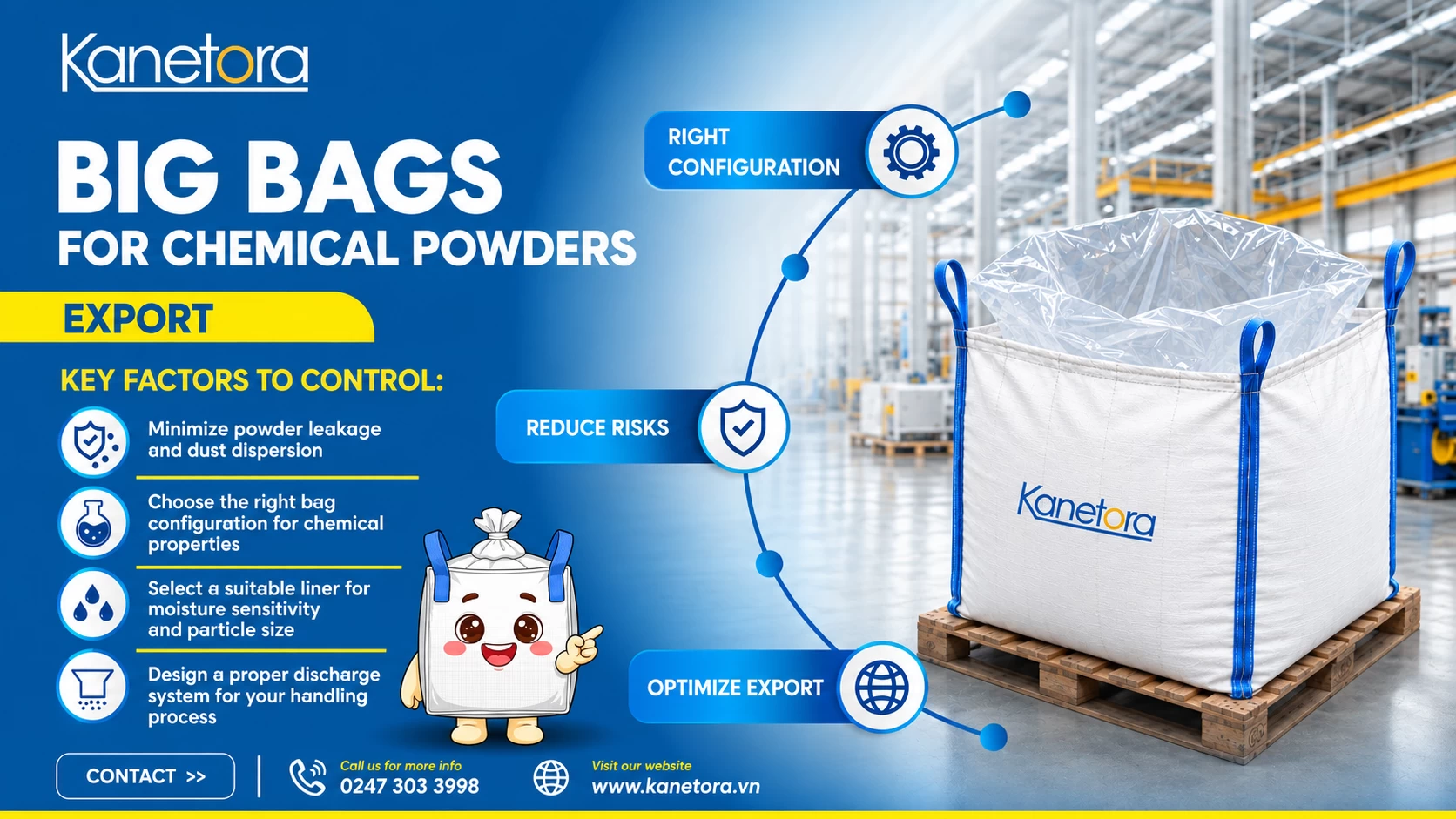
1. Chemical Industry – High Risk, Strict Safety Requirements
Industry Characteristics
- Fine powders and volatile substances
- High risk of static electricity buildup
- Potential for explosions in dust environments
Key Risks
- Electrostatic discharge → fire/explosion
- Contamination affecting chemical stability
Recommended FIBC Solution
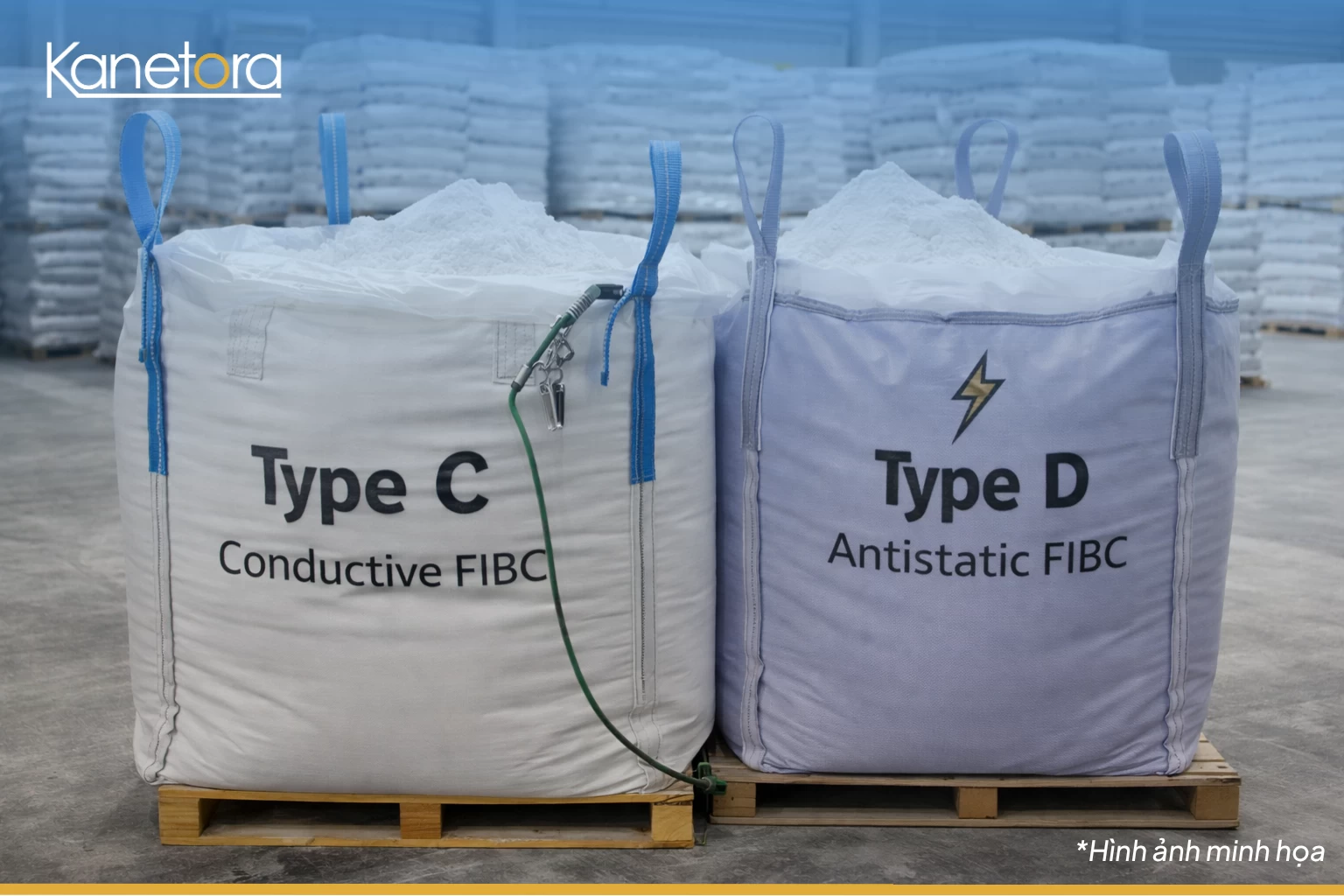
- Type C (conductive, grounded) or Type D (anti-static)
- Anti-static inner liners
- Certified under IEC 61340 / ISO 21898
👉 Insight:
Safety is not optional here—Type D is becoming the new standard in many markets.
2. Food Industry – Hygiene & Contamination Control
Industry Characteristics
- Direct or indirect contact with consumables
- Strict hygiene regulations
- High sensitivity to contamination
Key Risks
- Microbial contamination
- Foreign particles (dust, fibers)
- Regulatory rejection (export issues)
Recommended FIBC Solution
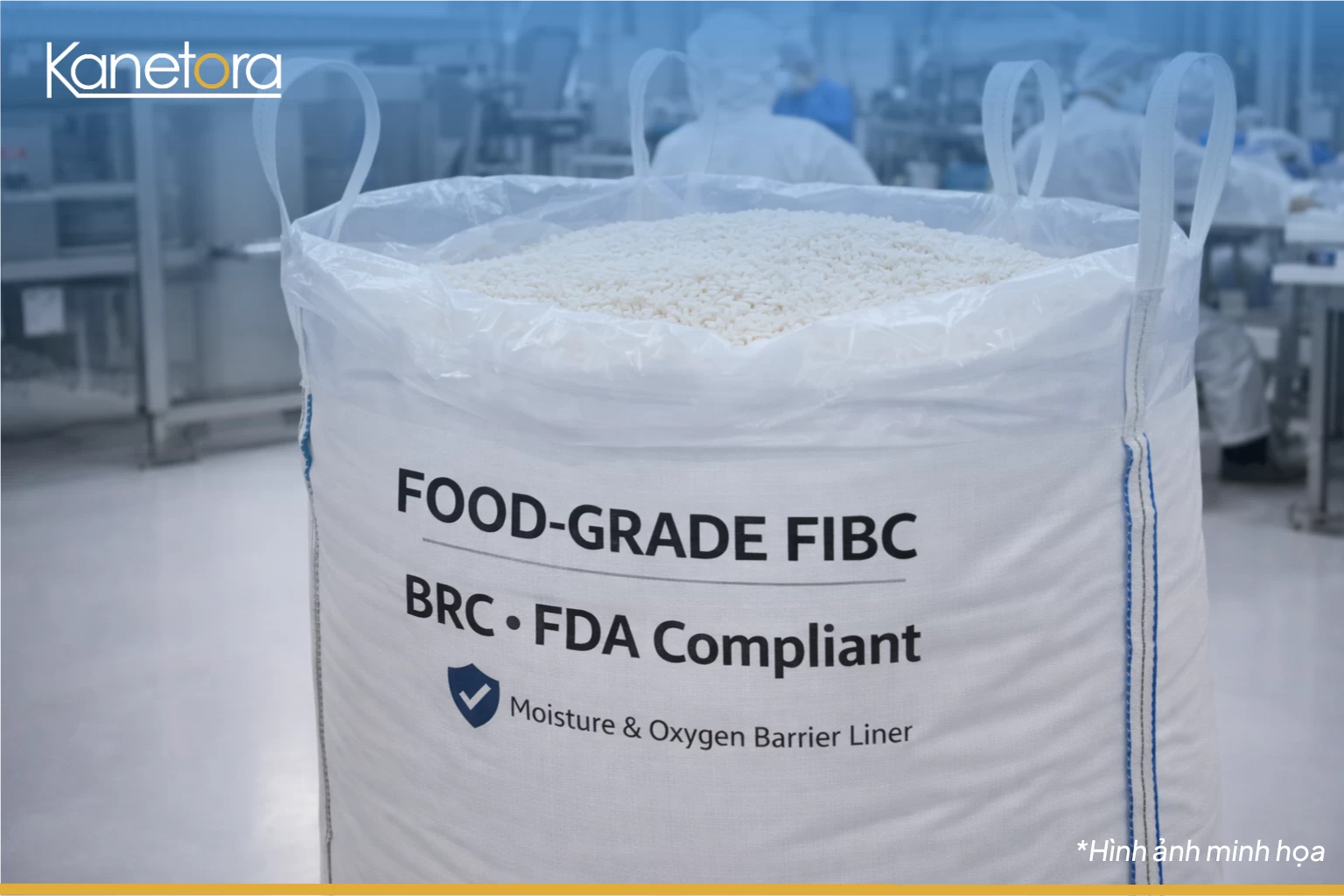
- Food-grade FIBC (BRC A/A+, FDA compliant)
- Cleanroom production
- PE or EVOH liner for barrier protection
👉 Insight:
Buyers don’t just look for price—they look for certification + traceability.
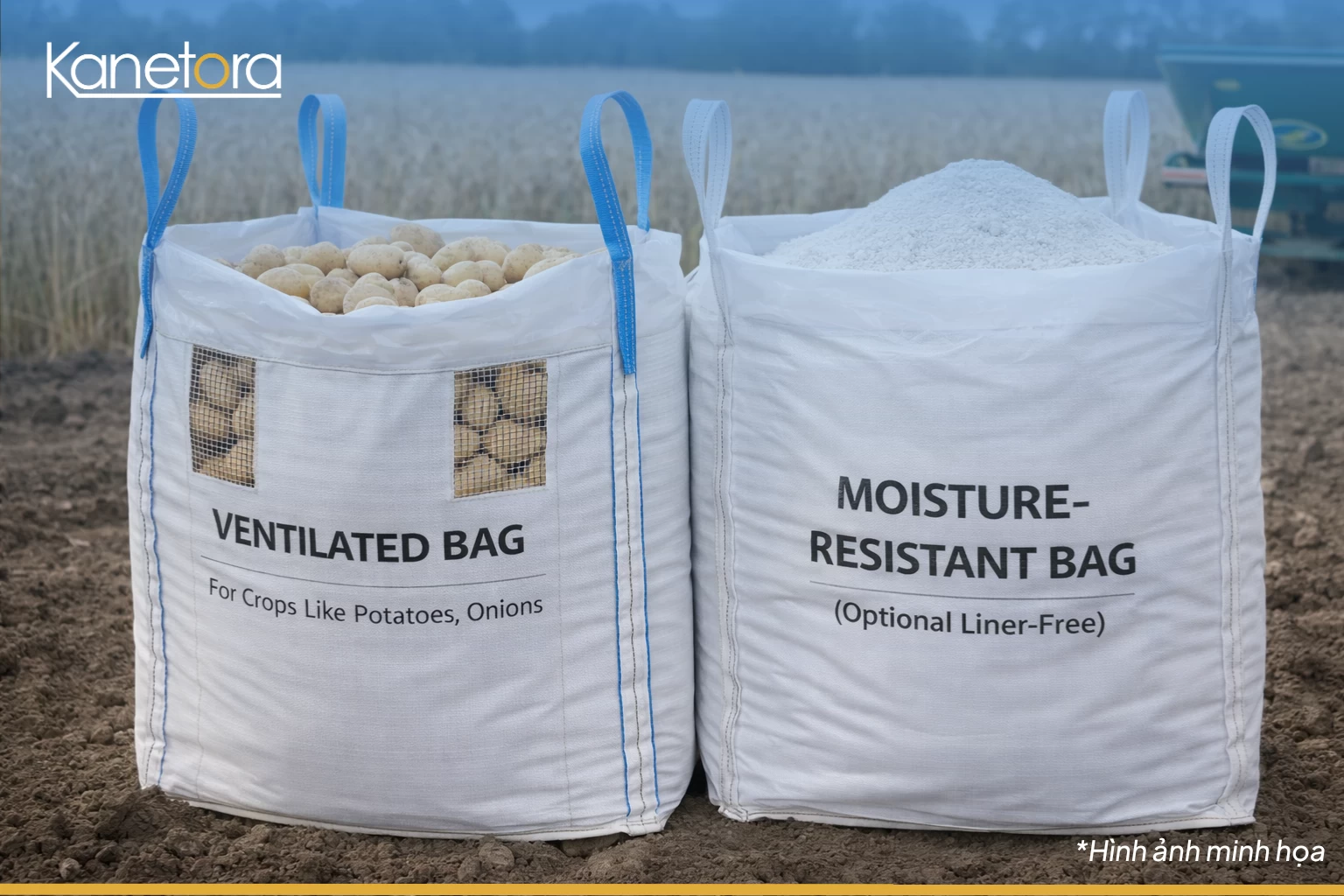
3. Agriculture – Moisture & Ventilation Balance
Industry Characteristics
- Bulk commodities (grain, fertilizer, seeds)
- Exposure to humidity and temperature fluctuations
- Often stored long-term
Key Risks
- Mold growth
- Moisture damage
- Product degradation
Recommended FIBC Solution
- Ventilated FIBC bags (for crops like potatoes, onions)
- Moisture-resistant fabric
- Optional liners for fertilizer
👉 Insight:
Not all agricultural products need liners—ventilation vs protection must be balanced.
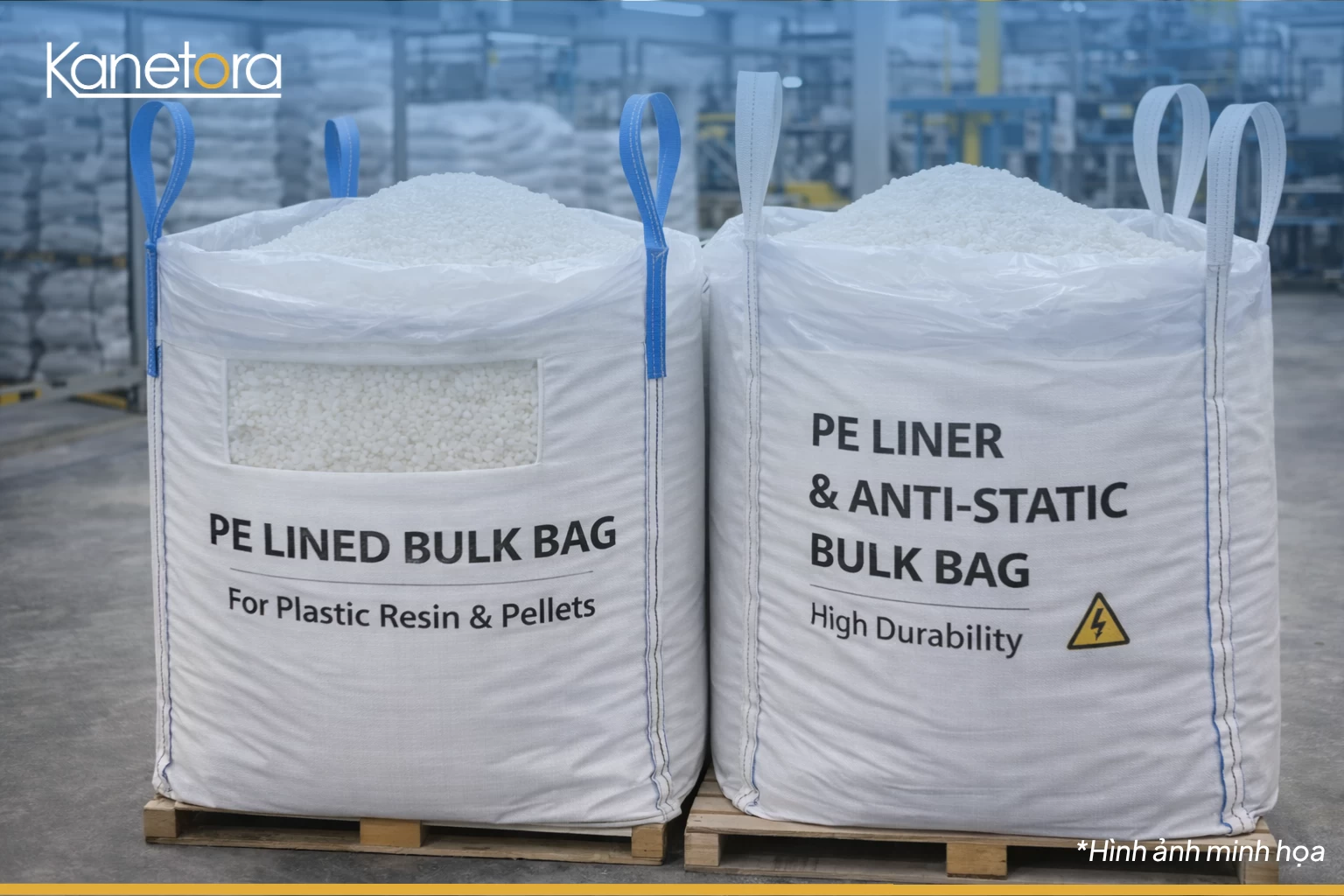
4. Plastics & Resin – Cleanliness & Static Control
Industry Characteristics
- High-value materials (PP, PE, engineering plastics)
- Sensitive to contamination
- Large-scale automated handling
Key Risks
- Dust contamination affecting production
- Static affecting processing lines
Recommended FIBC Solution
- Liner-integrated FIBC (PE liner)
- Anti-static fabric (if required)
- High-strength bags for repeated handling
👉 Insight:
For resin players, cleanliness = product quality = money.
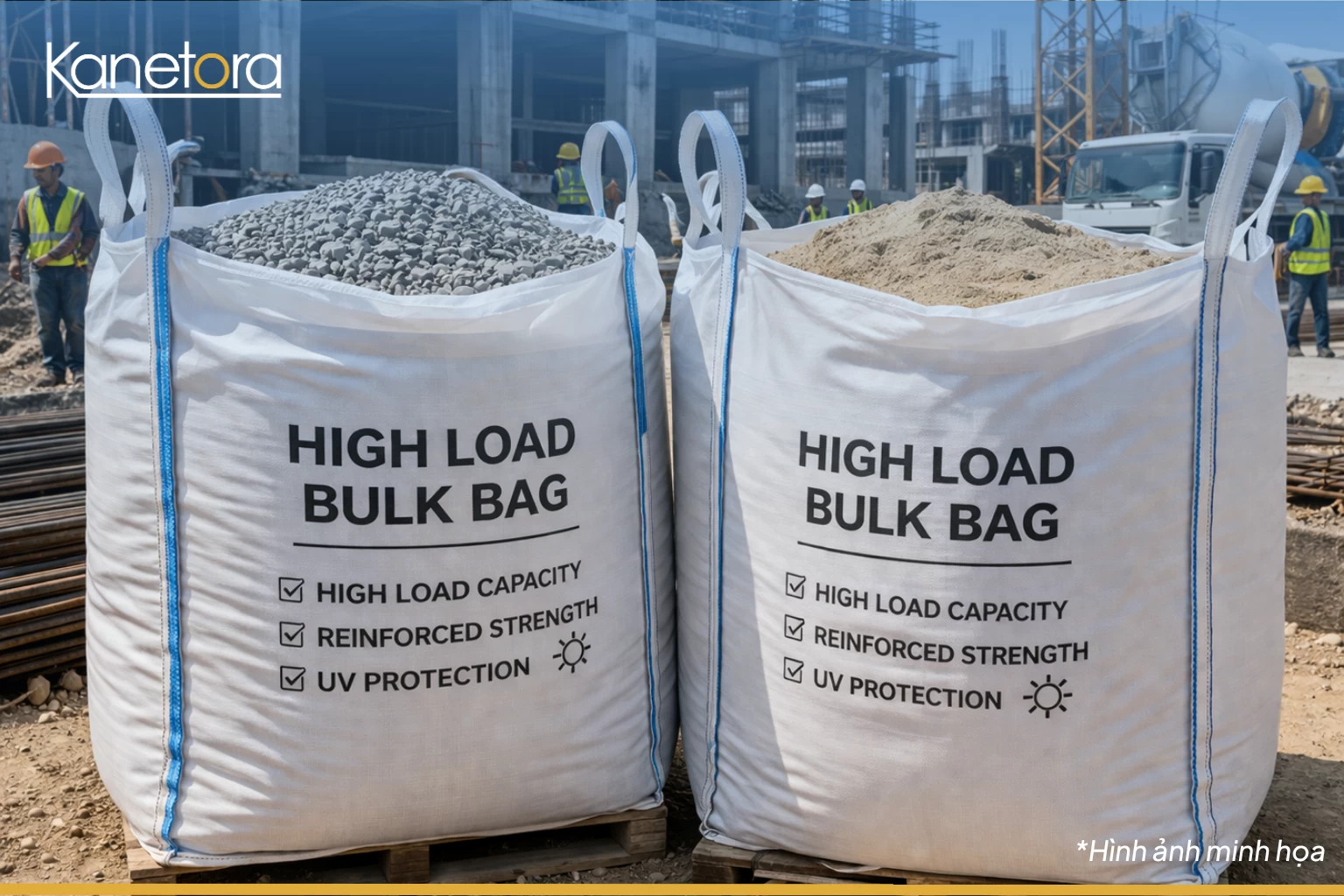
5. Construction Industry – Heavy Load & Durability
Industry Characteristics
- Heavy materials (sand, cement, gravel)
- Rough handling conditions
- Outdoor exposure
Key Risks
- Bag tearing
- Load failure
- Inefficient transport
Recommended FIBC Solution
- High SWL (Safe Working Load) bags
- Reinforced stitching
- UV-resistant fabric
👉 Insight:
Durability matters more than aesthetics—cost per use is the key metric.
6. The New Trend: Integrated Packaging Solutions
Across all industries, one major shift is happening:
👉 Businesses are no longer buying just bags—they are buying solutions
Examples:
- FIBC + Inner liner
- FIBC + Stretch hood film
- Packaging optimized for container loading
Conclusion
The right FIBC bag depends on:
- Material behavior
- Risk level
- Regulatory requirements
- Logistics conditions
👉 There is no “one-size-fits-all” solution.