

1. Overview of the Plastic Resin Market in 2026
The year 2026 marks a period of significant volatility in the global plastic resin market, driven by multiple factors:
- Geopolitical tensions in the Middle East
- Fluctuating oil prices
- Supply chain disruptions
- Rising logistics costs
The market is no longer driven purely by supply and demand cycles, but increasingly operates as a news-driven market, reacting rapidly to geopolitical developments.
2. Iran Tensions and Their Direct Impact on the Plastic Industry
Dependence on Oil
Most common plastics such as PP, PE, HDPE, and LLDPE are derived from petroleum and natural gas. As oil prices rise, resin prices tend to increase accordingly.
Risks from the Middle East
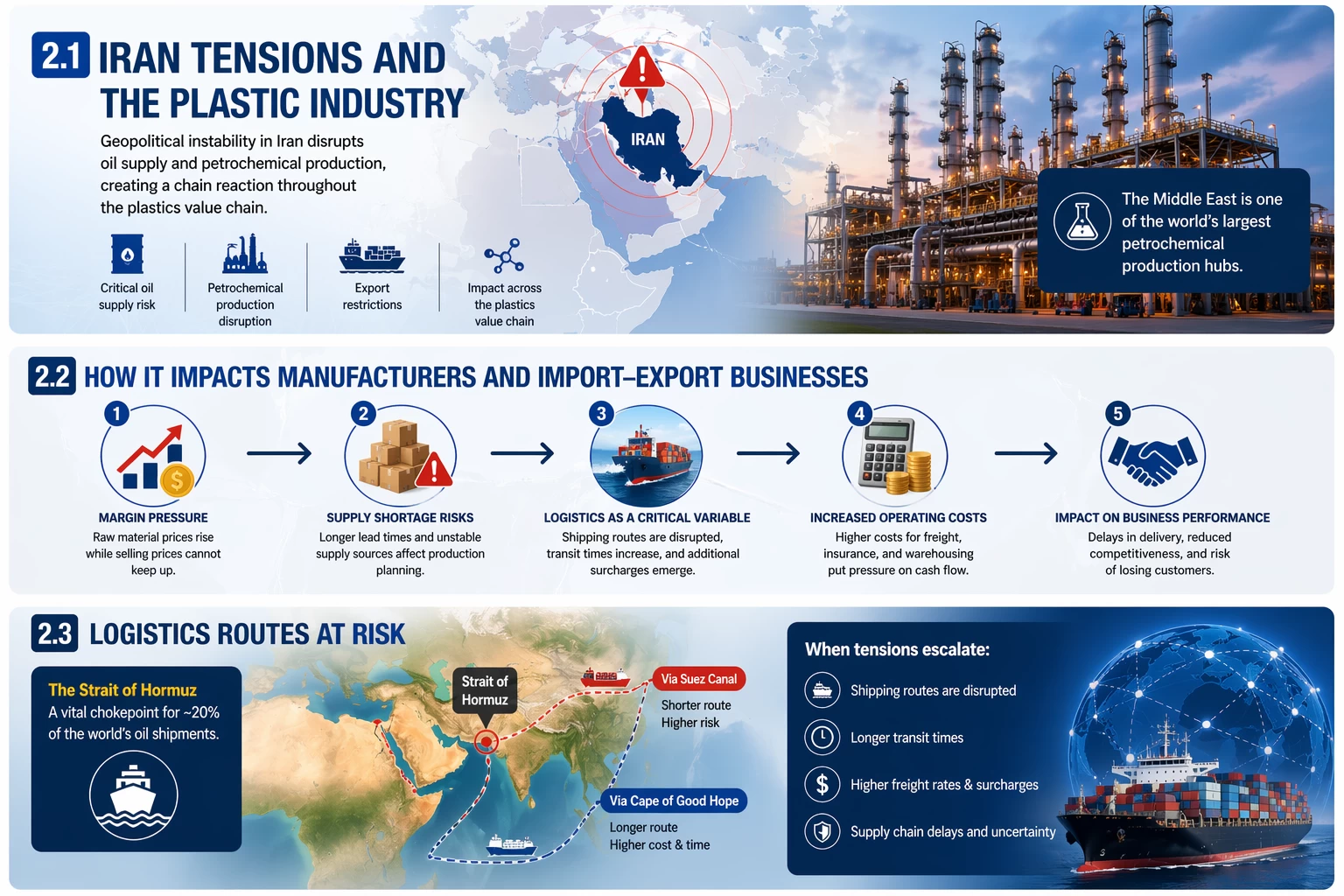
The Middle East is one of the world’s largest petrochemical production hubs. As tensions in Iran escalate:
- Oil supply faces disruption risks
- Petrochemical plant utilization declines
- Polymer exports become constrained
In addition, the region plays a critical role in global shipping routes, further driving up logistics costs.
3. Impact on Manufacturing and Import-Export Businesses
Margin Pressure
- Input costs increase
- Selling prices cannot be adjusted at the same pace
→ Profit margins are squeezed
Supply Shortage Risks
- Longer lead times
- Unstable supply sources
→ Direct impact on production planning
Logistics as a Critical Variable
- Shipping routes are disrupted
- Transit times increase
- Additional surcharges emerge
→ Logistics is no longer a secondary cost, but a key factor in business performance
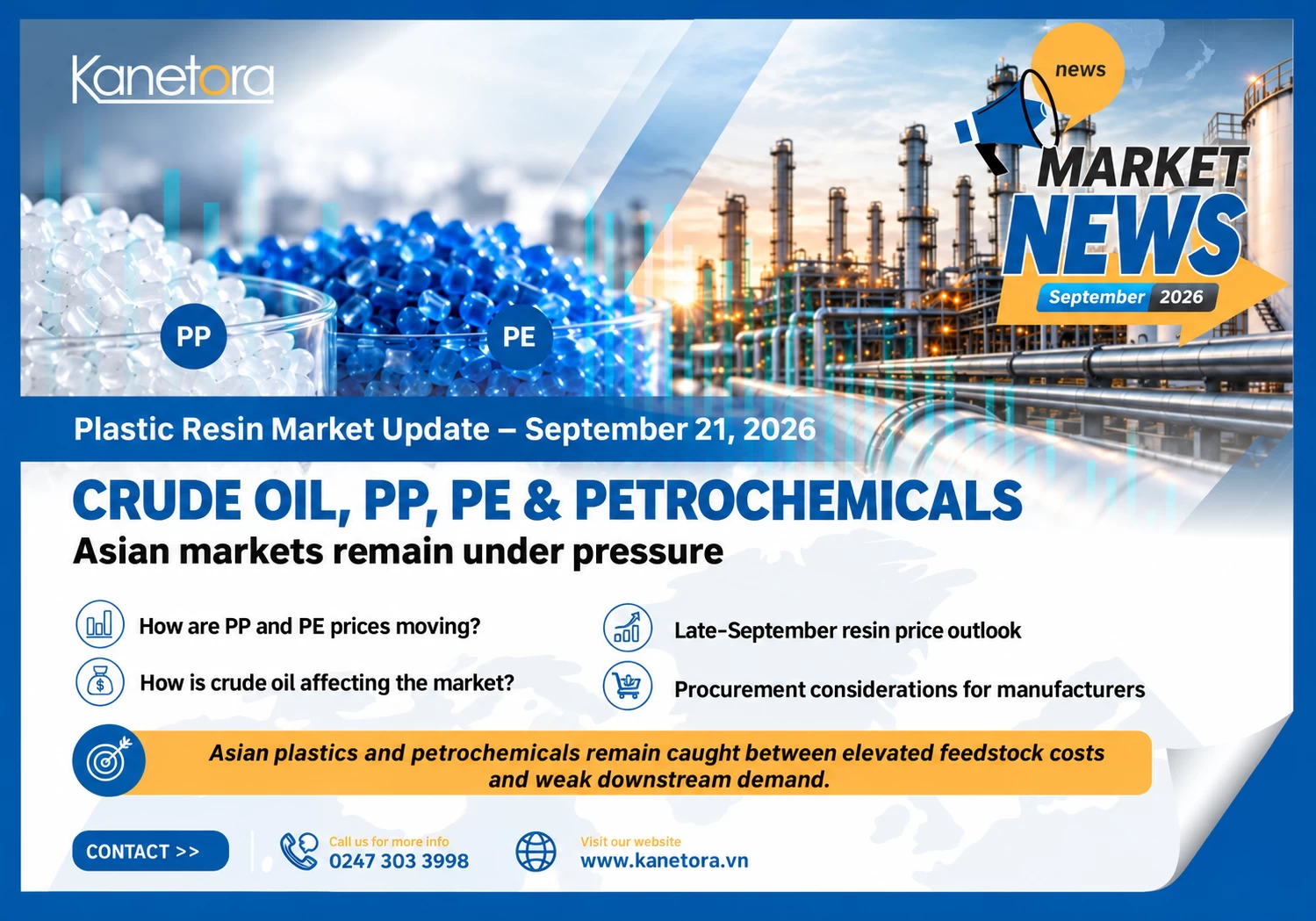
4. Plastic Resin Market Updates (April 2026)
Data from April 21–22, 2026 indicates that the market is experiencing short-term volatility with clear differentiation across product categories.
Resin Prices Show Mixed Movements
- PP GP22 decreased by ~4.50%
- ABS decreased by ~1.02%
- PVC decreased by ~3.17%
- LLDPE decreased by ~2.42%
👉 Prices are no longer moving uniformly but are diverging based on supply sources and regions
Ethylene Supply Disruptions in Asia
- Ethylene, a key feedstock for PE, is experiencing strong volatility
→ Directly impacting PE and LLDPE markets
👉 This indicates that upstream risks are cascading down the entire resin value chain
Futures Market Shows Signs of Recovery
- PVC, PP, and LLDPE futures on Dalian Commodity Exchange increased on April 22
👉 The market is currently in a sideway volatility phase, without a clear long-term trend
China’s PP Imports Surge
- China’s PP imports in March 2026 increased significantly
👉 This signals a potential recovery in demand, which may push prices upward in the coming quarters
Vietnam Domestic Market: Mixed Signals
- PE: high volatility, strong price competition
- PET: relatively stable
- PP: slow transactions, cautious buyers
- ABS, PS: continued decline following import prices
👉 The market is currently experiencing:
“Liquidity stagnation – waiting for clearer direction”
Producers Adjust Their Strategies
- Offering discounts for large buyers
- Flexible pricing adjustments
- Inventory clearance
👉 The market is shifting toward a buyer-driven market
5. Vietnam Market: High Dependence on Imports
Vietnam remains heavily dependent on imported plastic resins, mainly from:
- Middle East
- China
- South Korea
As a result, global disruptions directly affect:
- Domestic pricing
- Production planning
- Cash flow management
6. Market Outlook for 2026
Negative Scenario
- Escalating geopolitical tensions
- Rising oil prices
- Supply shortages
Moderate Scenario
- Prices remain high
- Supply is limited but stable
Positive Scenario
- Geopolitical tensions ease
- Supply chains recover
- Prices gradually decline
7. How Businesses Should Respond
Diversify Supply Sources
Avoid reliance on a single region
→ Reduce supply disruption risks
Optimize Inventory Management
- Avoid overstocking
- Avoid speculative purchasing
→ Implement flexible procurement strategies
Utilize Recycled Plastics
- Reduce costs
- Align with ESG trends
Optimize Packaging and Logistics
- Improve container loading efficiency
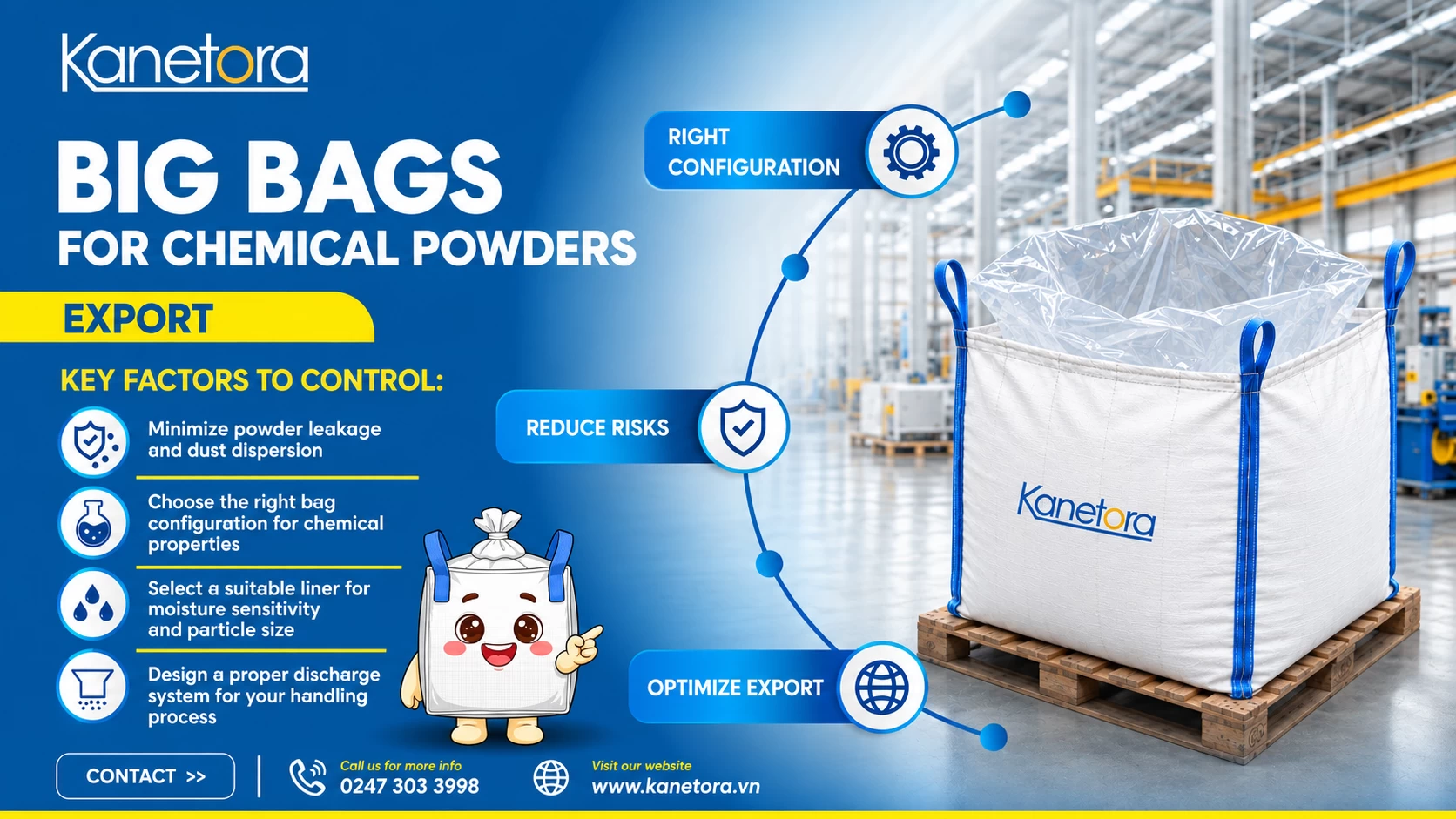
- Use suitable packaging solutions
- Reduce transportation costs
8. Opportunities Amid Volatility
Despite market instability, opportunities still exist:
- Growing demand for packaging driven by e-commerce
- Manufacturing shift toward Vietnam
- Flexible businesses gain competitive advantage
9. Conclusion
The plastic resin market in 2026 is one of the most unpredictable in recent years.
Iran tensions are not only impacting oil prices but are also affecting the entire plastic value chain.
👉 Businesses must shift their mindset from:
“buying materials” → “managing supply chains”
If your business is looking to:
- Secure stable resin supply
- Optimize logistics and packaging costs
- Build a resilient supply chain strategy
👉 Kanetora is ready to support with flexible, industry-specific solutions.