

From cement, dry sand, calcium carbonate powder to construction additives, the construction materials industry increasingly requires bulk packaging solutions with high load capacity, dust protection, moisture resistance, and logistics efficiency. Among them, FIBC Bags (Jumbo Bags) have become the standard packaging choice for many manufacturers and exporters worldwide.
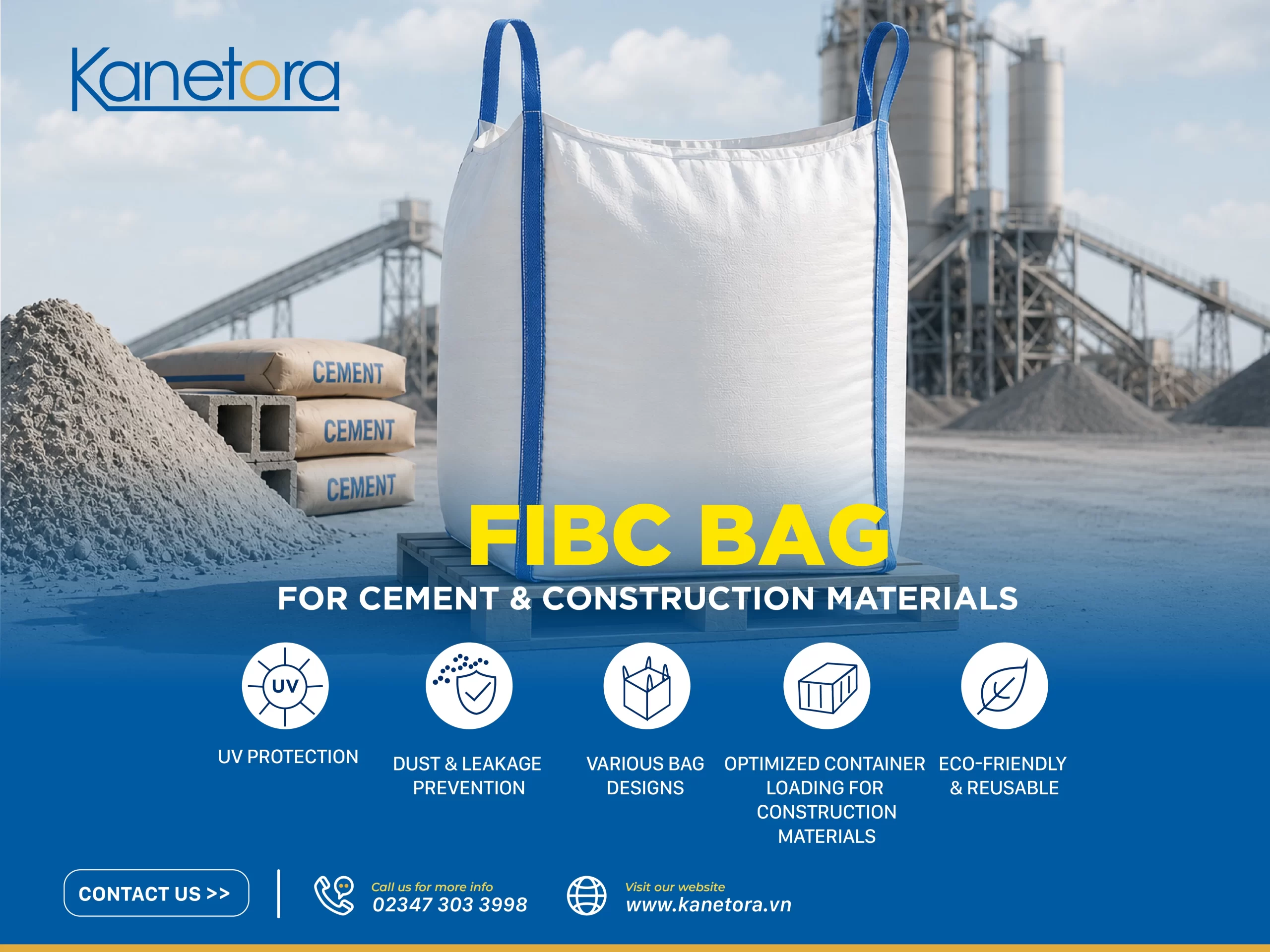
What Are FIBC Bags?
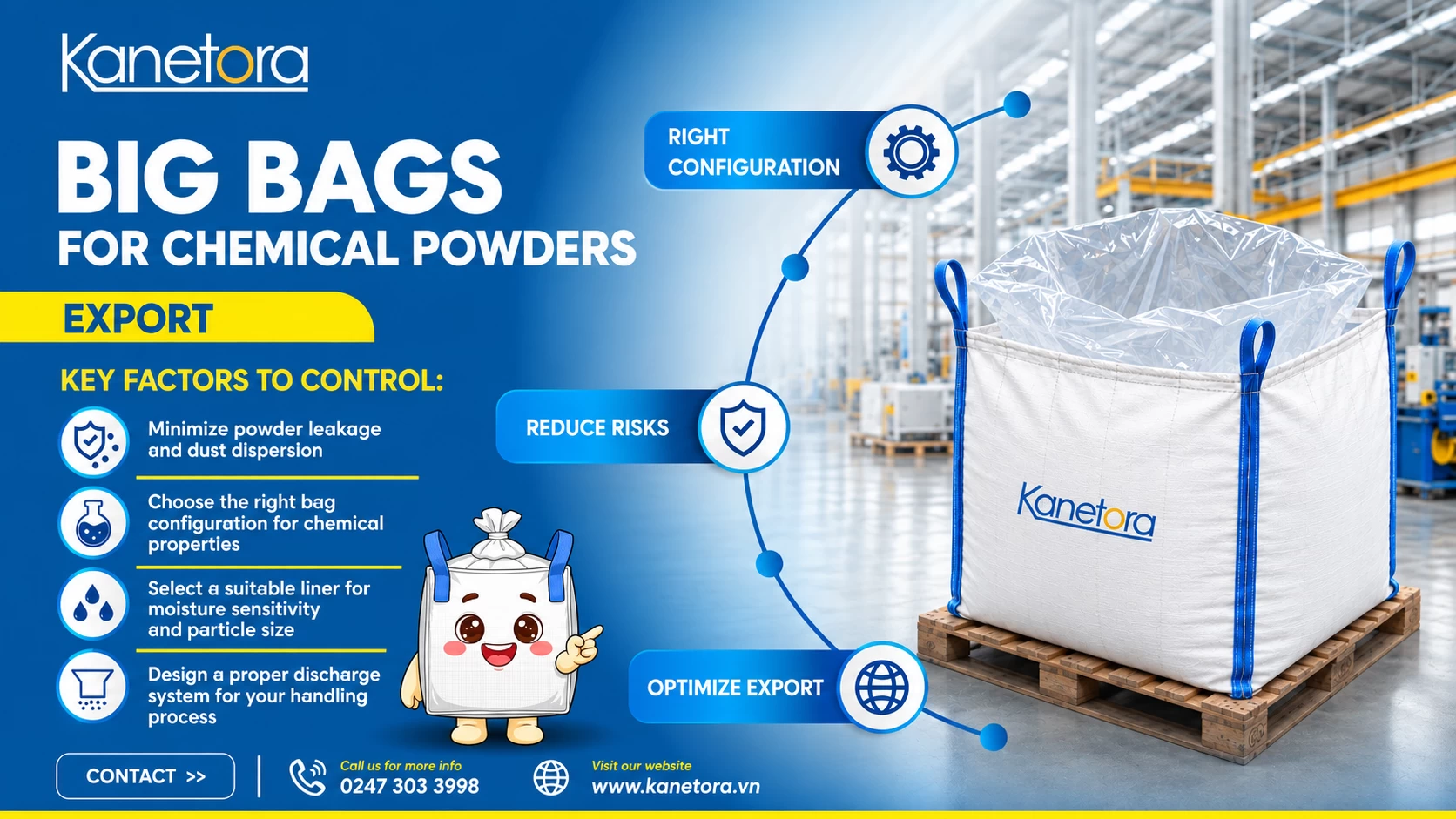
FIBC Bags (Flexible Intermediate Bulk Containers), also known as Jumbo Bags or Bulk Bags, are industrial packaging solutions made from woven polypropylene (PP) fabric, designed for storing and transporting dry bulk materials.
In the cement and construction materials industry, FIBC Bags are commonly used for:
- Cement
- Calcium carbonate powder
- Fly ash
- Dry sand
- Gypsum
- Construction additives
- Construction chemicals
- Plastic resin for building materials production
Packaging Challenges in the Cement & Construction Industry
The construction sector has very specific requirements for industrial packaging solutions.
Heavy Loads and Harsh Handling Conditions
Construction materials are typically heavy, dense, and transported in large volumes. FIBC Bags for cement applications commonly support:
- 500kg
- 1000kg
- 1500kg
- 2000kg
In addition, the bags must withstand:
- Rough handling during loading and unloading
- Warehouse stacking pressure
- Outdoor construction site exposure
- High humidity during international transportation
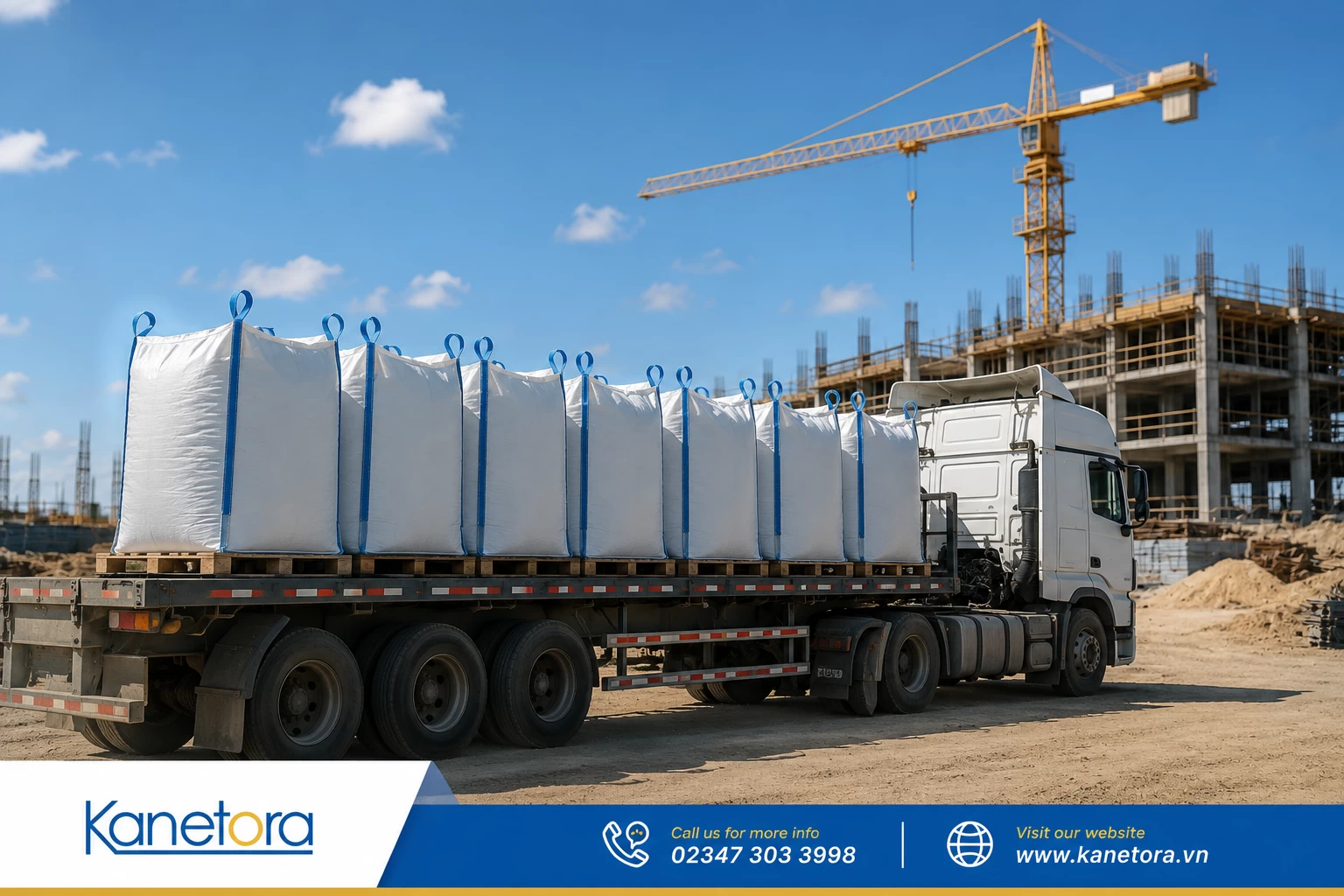
Load Requirements for FIBC Bags in Construction Applications
Compared to food or agricultural industries, construction-grade FIBC Bags require higher safety and load performance standards.
Important specifications include:
Safe Working Load (SWL)
SWL indicates the maximum safe carrying capacity of the bag.
Common ratings include:
- SWL 1000kg
- SWL 1500kg
- SWL 2000kg
Safety Factor (SF)
The Safety Factor measures the bag’s ability to withstand loads beyond its SWL.
The most common standards are:
- 5:1 → Single Trip Bags
- 6:1 → Multi Trip Bags
The Importance of UV Protection in FIBC Bags
In the construction industry, many materials are stored outdoors or transported through regions with high temperatures and strong sunlight exposure.
That is why UV protection is a critical factor for FIBC Bags.
Benefits of UV Protection:
- Prevents PP fabric degradation
- Extends bag lifespan
- Reduces the risk of tearing or bursting
- Suitable for long-distance ocean freight
Construction material exporters commonly require:
- UV 200 Hours
- UV 500 Hours
- UV 1000 Hours
Depending on storage and shipping conditions.
Dust-Proof and Leak-Proof Packaging Solutions
Cement and mineral powders generate a large amount of dust during handling and transportation.
Poor bag design can lead to:
- Product loss
- Environmental pollution
- Workplace safety risks
- Container and warehouse contamination
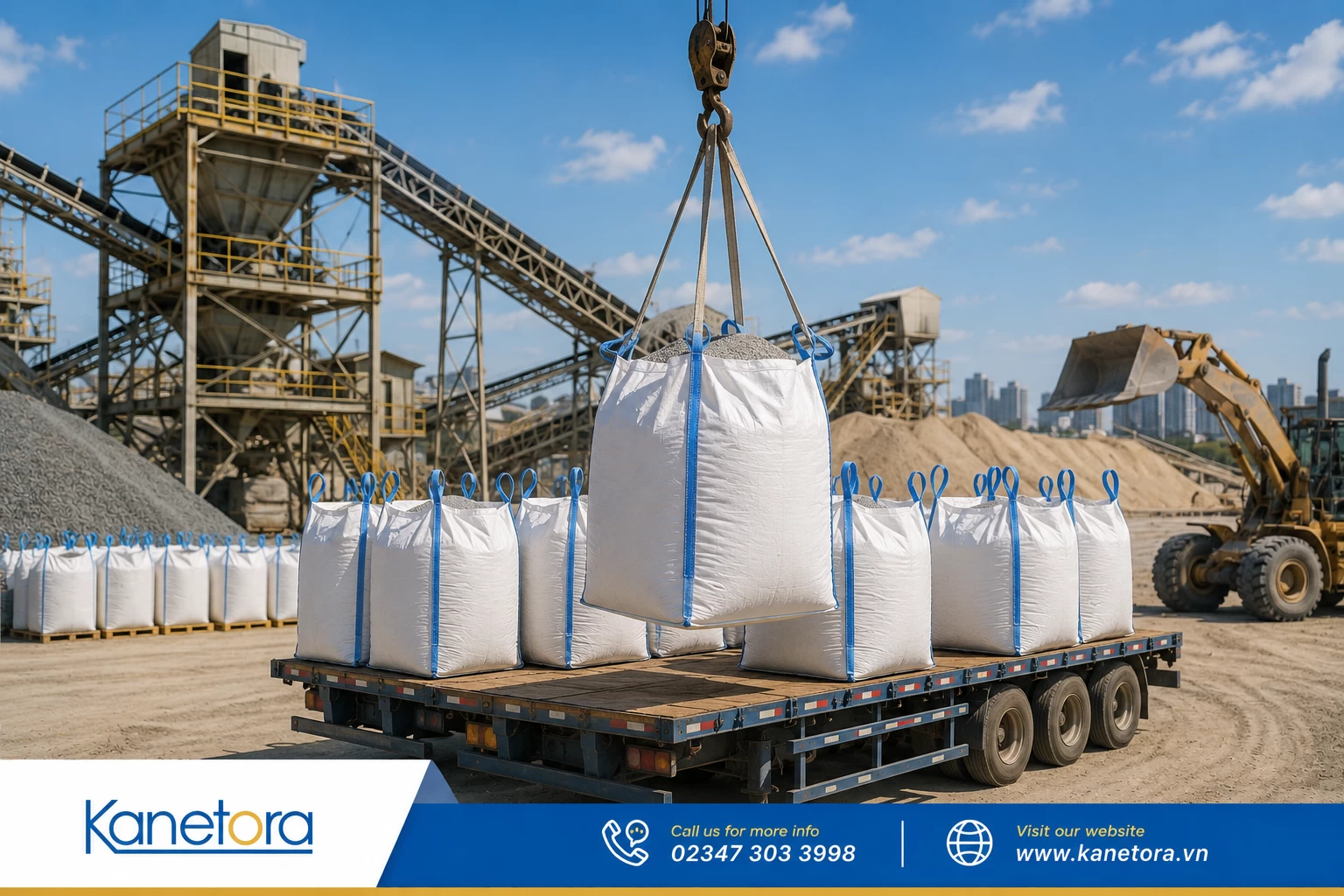
Common Solutions Include:
PE Inner Liners
Provide moisture protection and reduce powder leakage.
Specialized Discharge Designs
Common bottom styles include:
- Flat Bottom
- Discharge Spout
- Cone Bottom
Dust-Proof Sewing
Improves sealing performance around stitching areas.
Common FIBC Bag Designs for Construction Materials
1. U-Panel Bags
Widely used for:
- Cement
- Calcium carbonate powder
- Fly ash
Advantages:
- Excellent load performance
- Stable stacking
- Cost-effective solution
2. Circular Bags
Commonly used for:
- Plastic resin
- Construction additives
- Granular chemicals
Advantages:
- Reduced leakage
- Better bag shape retention
- Efficient container loading
3. Baffle Bags
Designed with internal baffles that help:
- Maintain square shape
- Increase container loading efficiency
- Optimize logistics costs
This solution is becoming increasingly popular among construction material exporters.
Optimizing Container Loading for Construction Materials
Logistics costs remain one of the biggest challenges in the construction industry.
Modern FIBC Bags help businesses:
- Improve container utilization
- Reduce wasted space
- Lower transportation cost per ton
- Simplify forklift handling
Many companies also combine:
- FIBC Bags
- PE Liners
- Stretch Hood Film
To create integrated export packaging solutions.
Industrial Packaging Trends for the Construction Industry in 2026
The industrial packaging market for construction materials is evolving toward:
Sustainable FIBC Packaging
- Improved reusability
- Reduced single-use plastic waste
- Longer product lifecycle
High-Quality FIBC Bags for Export Markets
International buyers increasingly require:
- BRC standards
- ISO certifications
- Strict QA/QC systems
- Product traceability
Automation Compatibility
Modern FIBC Bags are designed to support:
- Automatic filling systems
- High-speed packaging lines
- Warehouse automation
Kanetora – FIBC Packaging Solutions for Cement & Construction Materials
At Kanetora Packaging, we provide FIBC Bag solutions for various industries, including:
- Cement
- Plastic resin
- Chemicals
- Minerals
- Food ingredients
- Agriculture
With advanced manufacturing capabilities, Kanetora focuses on:
- Stable product quality
- Optimized load capacity
- Custom bag designs
- UV-resistant and dust-proof solutions
- Container loading optimization
Learn more about our FIBC packaging solutions at:
Kanetora Packaging
FAQ – Frequently Asked Questions
What is the common load capacity of FIBC Bags for cement?
The most common capacities are:
- 1000kg
- 1500kg
- 2000kg
Depending on the material type and transportation method.
Are FIBC Bags waterproof?
FIBC Bags can be combined with PE inner liners to improve moisture resistance and reduce leakage.
Can FIBC Bags be reused?
Yes. Bags with a 6:1 Safety Factor are suitable for multiple uses when handled and stored properly.
Which FIBC Bags are suitable for construction material exports?
Export-oriented companies often prefer:
- UV-resistant bags
- Dust-proof designs
- Baffle bags for optimized container loading
- International quality-certified packaging